
South African wine needs room to test its next ideas
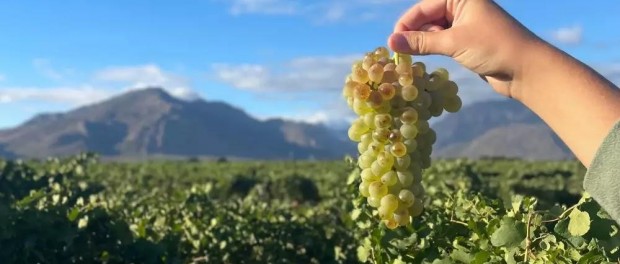
A new variety or rootstock ties up land and money years before it proves itself, and the result still has to satisfy the markets that buy the wine. Shared trials and stronger local evidence can help producers carry that risk.
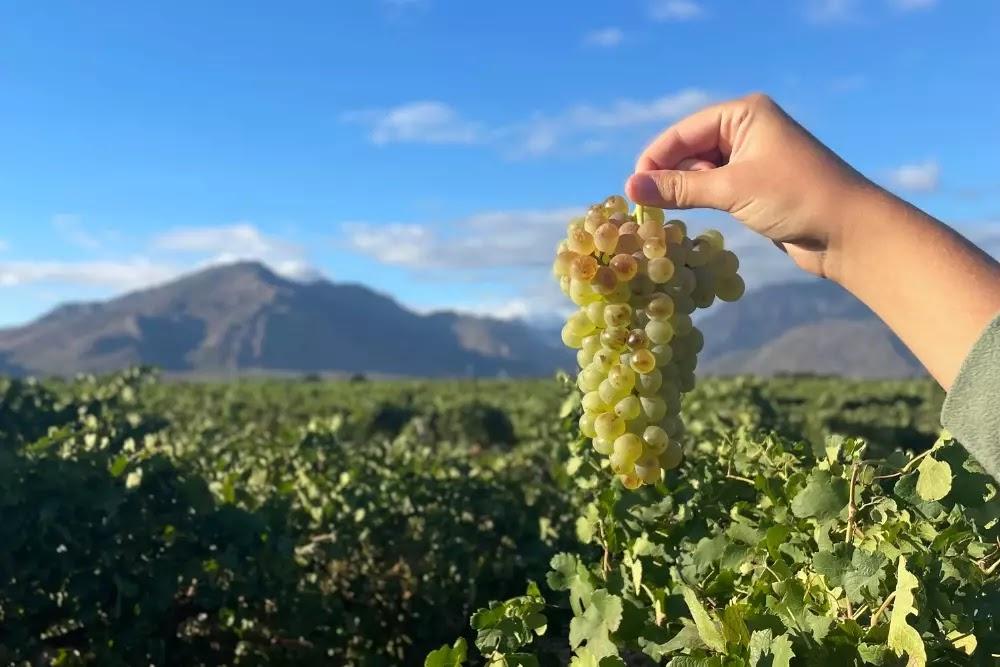
Trying a different variety or rootstock means committing land and capital well before there’s any sign the investment will pay off. For a business on tight margins, that uncertainty can be enough to keep a promising idea on paper.
How well South African wine adapts will depend on more than individual producers’ appetite for experimentation. Producers need somewhere to test alternatives and they need access to the findings. When an approach works, they also need a route to having it recognised in the markets they serve.
Meeting other markets’ rules
Petri de Beer, an agricultural economist and winemaker, knows the weight of certification first-hand. His PhD research looks at how regulation affects the profitability of South African farms. In a piece for wine.co.za about his time making organic wine, he recalled averaging six inspections a year across the certification schemes involved and described the experience as a ‘never-ending game of whack-a-mole’.
Speaking to Vinimark, De Beer asked how well requirements developed elsewhere fit local farming conditions. He also raised the pressure created by mirroring clauses, where importing markets apply their own production requirements to incoming goods. The exact obligations vary, yet compliance still draws on producers’ resources while they manage considerable farming and commercial risk.
Consider copper sulfate, still one of the few fungicides organic producers may use. Europe is now curtailing its use, De Beer explains, after 450 years of near-exclusive reliance on it have left European soils with a heavy-metal buildup problem. South Africa is nowhere near that point. ‘We can literally still go another 400 years at the same levels before we even reach their point,’ he says. ‘But we’re forced to comply with it.’
Organic certification raises a related question. A standard developed locally won’t automatically be recognised abroad. The EU does allow recognised control bodies to certify producers in non-EU countries, provided those producers meet the relevant requirements. De Beer has been working to establish a South African organic wine producers’ body. His efforts show how difficult it is to build credible local standards while keeping an eye on what international recognition demands.
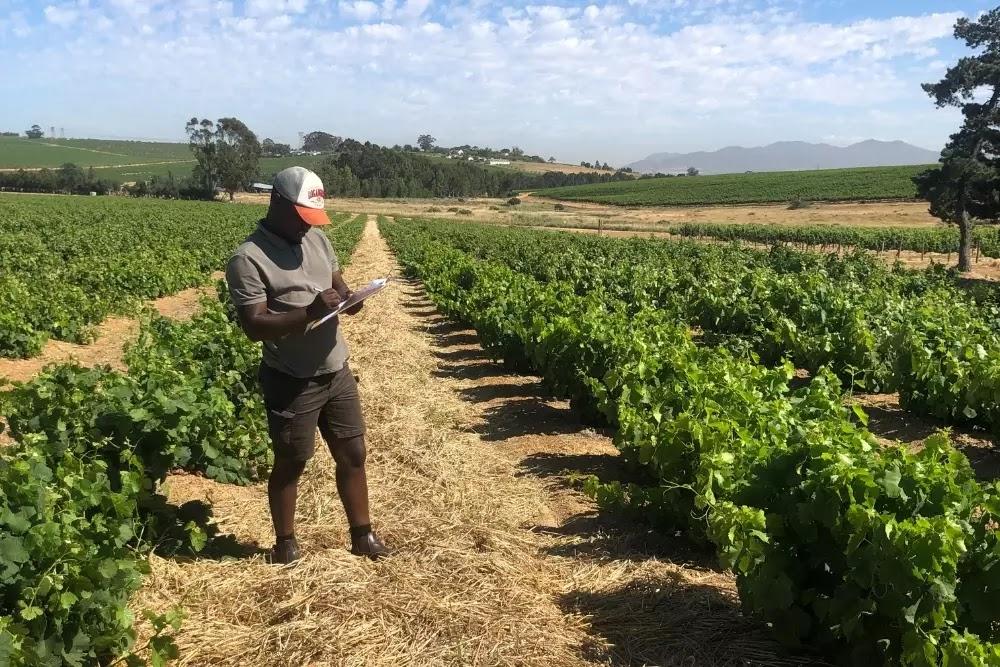
Tannat Knolfontein White and Red Cultivar Demo
Producers have changed the rules before
Regulation isn’t fixed. When Craig Hawkins started making skin-contact Chenin Blanc in 2008, he ran into difficulties with a certification framework that had no suitable category for some of the new styles emerging at the time.
He and other Swartland producers worked with the authorities on new definitions, and by 2015 skin-macerated white wine was among the newly recognised classes. Hawkins has credited SAWIS and the Wine and Spirit Board with making the changes possible.
It’s a useful precedent. Producers helped create the framework used to assess their work, and the outcome benefited more than the wines that first started the conversation.
Trial blocks on working farms
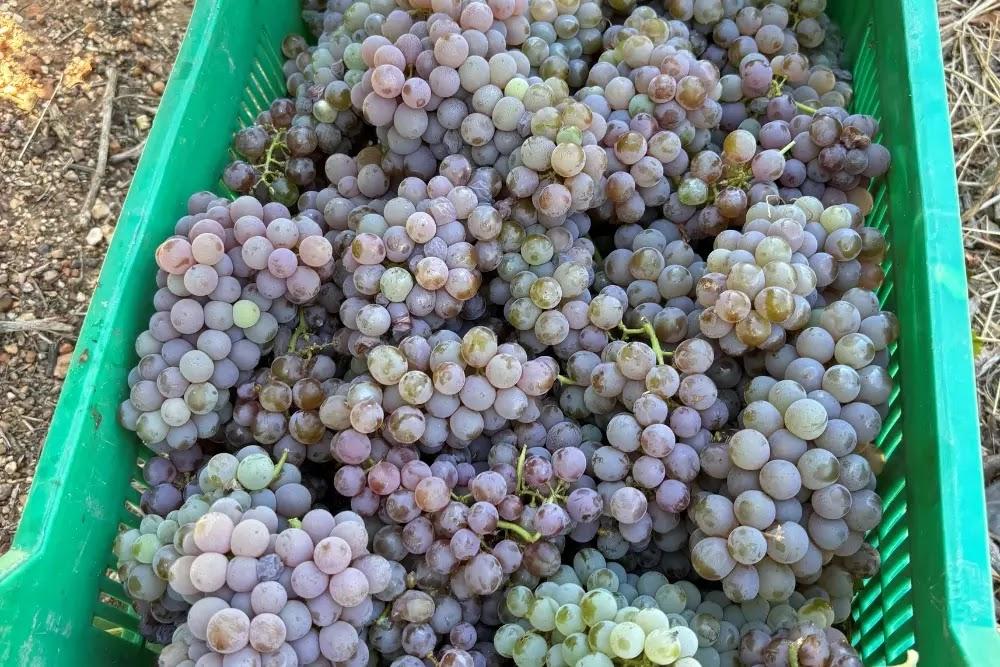
Vineyard experiments need practical support of their own. ADVICO, the Advancement of Viticulture Collective South Africa, grew out of Vinpro’s GEN-Z Vineyard Project. It places demonstration blocks inside working commercial vineyards, which ties the research to the conditions producers deal with every day.
Emma Carkeek, ADVICO’s Manager of Knowledge & Technology Transfer, explains that host growers provide the land and farm the blocks as part of their normal practices. ADVICO coordinates trial design, monitoring and data collection with them.
Because the blocks sit on different sites, they can be compared, which helps show how cultivars, clones and rootstocks respond to different conditions. A grower who can’t host a trial can still visit another producer’s block, talk through the findings and taste the wines before committing any capital.
None of this removes the host’s exposure, since the host still commits land, labour and time to an uncertain result. The network shares the learning, so the value of that contribution reaches beyond a single farm.
Sauvignon Gris Knolfontein White and Red Cultivar Demo
More rootstocks, bigger blocks
Carkeek describes a local planting environment where limited availability and limited evidence about the alternatives can reinforce reliance on familiar material such as Ramsey rootstock. She contrasts local resources with larger European research programmes, including work involving CRISPR. ADVICO’s goal is practical: to develop and promote about 10 locally tested rootstock options.
A trial also has to produce enough fruit to judge the wine. Carkeek describes larger demonstration commitments, some of around a hectare, with fewer clones in each block and several hundred vines per combination. At that size, each combination can be vinified separately, although it asks more of the host grower.
Under the arrangement she describes, ADVICO can organise tastings and share the findings with neighbouring producers, while the host farm keeps the wine and its commercial return.
ADVICO’s April 2026 update reported 32 demonstrations harvested across 10 districts. The work covered more than 4,200 kilometres and processed 1,145 grape samples, and that spread is what makes comparison possible. Reliable conclusions will still take several seasons. The results also need to reach growers clearly through workshops, technical articles and direct engagement.
From trial block to bottle
Carkeek points to Sakkie Mouton’s Sand Erf Vermentino as a tangible result of demonstration work. The grapes came from an alternative-variety block in the Olifantsrivier region, planted under the GEN-Z project, and the trial gave a winemaker something new to work with in the cellar.
She points to a measurable rise in cover crop use as standard practice and to several producers who changed their irrigation management after a focused session ADVICO hosted last November.
She also thinks South Africa could explain its farming practices better to international audiences. Cover cropping, for example, is already familiar here, even as it attracts growing attention under the regenerative agriculture banner.
Soil carbon benchmarks calibrated to European or American conditions don’t account for a far more arid climate, where even years of consistent compost application will plateau at levels the receiving markets’ standards don’t recognise as sufficient.
Backing the work before the wine
At Vinimark, we see this as commercially relevant work. What producers can grow, and how confidently they can invest, both depend on it. So does the way markets understand South African wine.
Making room for innovation starts with recognising what host farms contribute. Comparisons need to run for enough seasons to teach us something, and local progress needs to be clearly documented. Giving a promising idea somewhere to grow is an investment in the choices open to the whole industry.


